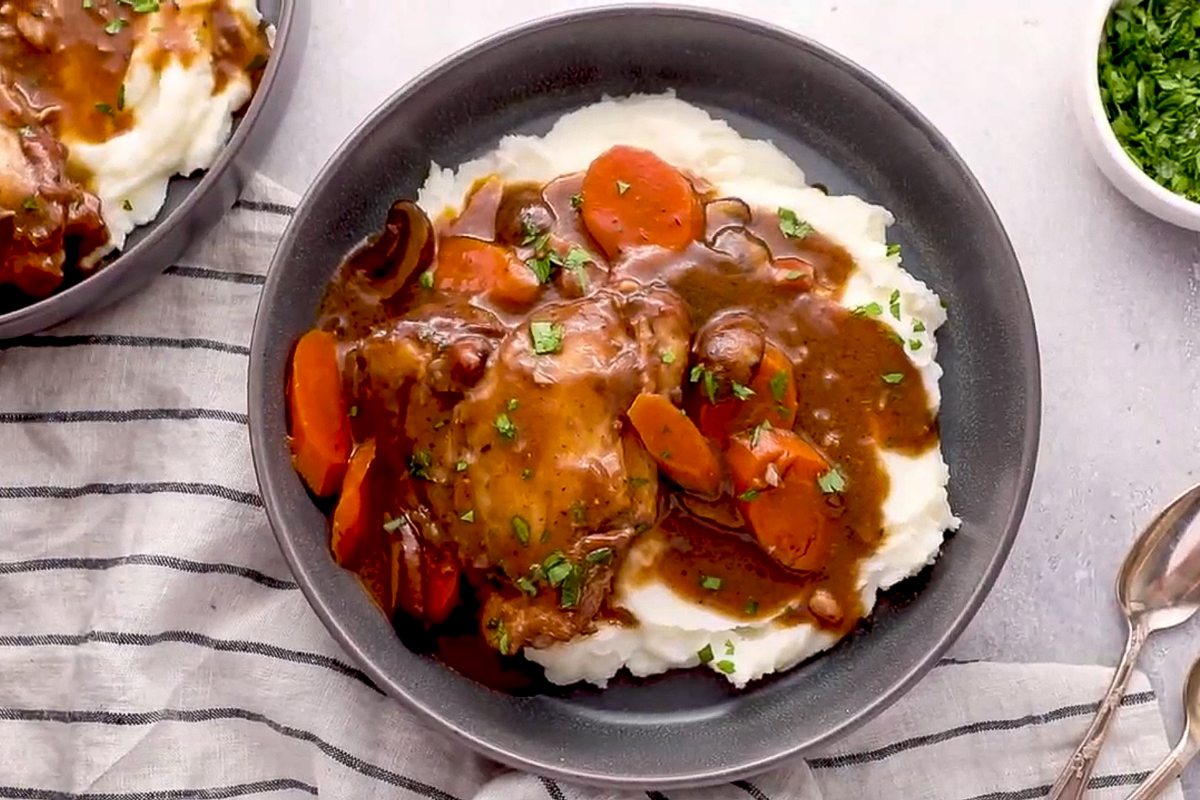
Unlock Classic French Flavor: Mastering Coq au Vin with Red Wine & Bacon
Embark on a culinary journey to the heart of France with Coq au Vin, a dish that transcends mere sustenance to become a true celebration of flavor. This classic French chicken stew, deeply steeped in red wine and enriched with savory bacon, earthy mushrooms, and tender pearl onions, is far more than your average weeknight meal. It's a testament to the magic of slow cooking, transforming simple ingredients into a rich, complex, and utterly unforgettable experience. While its name might sound intimidating, mastering Coq au Vin is an accessible and incredibly rewarding endeavor that promises to impress guests and warm the coldest evenings.The Heart of the Matter: Key Ingredients for Authentic Coq au Vin
At its core, Coq au Vin thrives on a carefully curated selection of ingredients, each playing a vital role in crafting its signature depth and character. Understanding these components is the first step to unlocking its classic French charm.- The Chicken: Traditionally, a whole cut-up chicken (a "coq," or rooster, historically) is used. However, modern interpretations often lean towards dark meat – thighs and drumsticks – for their inherent succulence and resistance to drying out during the long braise. If you prefer to use a whole bird, a smart tip is to add the white meat (breasts) only during the last 30 minutes of simmering to prevent them from becoming tough or stringy. The slow cooking of dark meat ensures it becomes melt-in-your-mouth tender, absorbing all the rich flavors of the sauce.
- The Red Wine: This is arguably the most crucial ingredient, lending its name and much of its character to the dish. Do not skimp on quality here; if you wouldn't drink it, don't cook with it. A good quality, dry red wine is essential. Classic choices include a robust Burgundy (like a Pinot Noir from the Côte de Nuits) or even a Beaujolais-Villages. The key is a wine with good fruit and acidity, but not overly tannic or sweet. Avoid "cooking wine," which often contains added salt and preservatives that detract from the final flavor. The wine contributes not just color, but also depth, complexity, and a subtle tang that balances the richness of the stew.
- The Bacon (Lardons): Crispy bits of bacon, or traditionally, French lardons, provide the foundational layer of flavor and fat for the stew. The rendered bacon fat is used to sear the chicken and sauté the aromatics, imparting a smoky, savory essence throughout the dish. The crisp bits of bacon themselves are often added back in at the end or used as a garnish, offering a delightful textural contrast.
-
The Aromatics & Vegetables:
- Pearl Onions: These delicate, small onions add a sweet, burnished quality when gently braised in the rich sauce. Peeling them can be tedious, but a trick is to blanch them in boiling water for a minute, then immediately transfer to an ice bath. Their skins will slip off much more easily.
- Mushrooms: Often cremini or button mushrooms, sautéed separately to ensure they release their moisture and develop a beautiful caramelization before being added to the stew, preventing a watery sauce.
- Garlic, Thyme, Bay Leaf: These classic aromatics are indispensable, infusing the stew with their fragrant, herbaceous notes that are synonymous with French cuisine.
- A Touch of Brandy (Optional but Recommended): A small splash of good quality brandy or cognac, added after sautéing the aromatics and before the wine, contributes an extra layer of warmth and depth to the sauce. It's often flamed off, which intensifies the flavor.
Unlocking the Flavors: A Step-by-Step Culinary Journey
Creating Coq au Vin is a patient process, but each step builds upon the last, culminating in a symphony of flavors.- Render the Bacon: Start by cooking the diced bacon or lardons in a large, heavy-bottomed pot or Dutch oven over medium heat until crisp. Remove the bacon with a slotted spoon and set aside, leaving the rendered fat in the pot. This fat is liquid gold for flavor.
- Sear the Chicken: Season your chicken pieces generously with salt and freshly ground black pepper. Working in batches to avoid overcrowding the pot, sear the chicken in the bacon fat until deeply golden brown on all sides. This browning, known as the Maillard reaction, is crucial for developing rich flavor. Remove the chicken and set aside.
- Build the Flavor Base: Reduce the heat slightly. Add sliced shallots or a finely diced onion, and perhaps some chopped carrots and celery (a mirepoix base) to the pot, scraping up any browned bits from the bottom (this is called deglazing). Sauté until softened, then add minced garlic and cook for another minute until fragrant.
- Add Brandy and Deglaze: Pour in the brandy (if using) and bring to a simmer, scraping up any remaining browned bits. You can carefully ignite the brandy with a long match to burn off the alcohol, or simply let it simmer until reduced slightly.
- The Wine & Braise: Pour in the red wine, along with some chicken stock (or water), and add fresh thyme sprigs and a bay leaf. Bring the liquid to a gentle simmer, then return the seared chicken pieces to the pot. The liquid should partially cover the chicken.
- Slow Simmer: Cover the pot and either continue to simmer gently on the stovetop or transfer it to a preheated oven (around 325°F / 160°C). Braise for 1.5 to 2 hours, or until the chicken is incredibly tender and falling off the bone. Remember, if adding white meat, incorporate it in the last 30 minutes of cooking.
- Prepare Vegetables Separately: While the chicken braises, sauté the pearl onions in a separate pan with a knob of butter until tender and lightly caramelized. In the same pan, sauté the mushrooms until they are deeply browned and have released their moisture. Set these aside.
- Finish the Sauce: Once the chicken is cooked, remove it from the pot. Strain the braising liquid to remove herbs and any solids, then return the liquid to the pot. Bring it to a simmer and reduce slightly to concentrate the flavors. If you desire a thicker sauce, you can create a *beurre manié* (equal parts softened butter and flour kneaded together) and whisk small pieces into the simmering sauce until your desired consistency is reached.
- Combine & Serve: Return the chicken, sautéed pearl onions, and mushrooms to the thickened sauce. Stir in the reserved crisp bacon pieces. Warm through gently. Taste and adjust seasoning with salt and pepper.
The Make-Ahead Magic and Perfect Pairings
To prepare ahead, simply follow the recipe, then allow the stew to cool completely before refrigerating it overnight. Gently reheat it on the stovetop over low heat, stirring occasionally, or in a low oven until warmed through. The slow reheating process further enhances the texture and flavor.
Serving Suggestions & Pairings:
- Classic Accompaniments: A crusty baguette is essential for soaking up every last drop of the luscious red wine sauce. Alternatively, creamy mashed potatoes or even wide egg noodles make a fantastic bed for the rich stew.
- Garnish: A sprinkle of fresh chopped parsley adds a bright pop of color and freshness. Crispy, buttery croutons can also be added just before serving for an extra layer of texture.
- Wine Pairing: For the ultimate experience, pair your Coq au Vin with the same robust red wine you used in the cooking process. A good Pinot Noir or a medium-bodied Burgundy will complement the dish beautifully.
