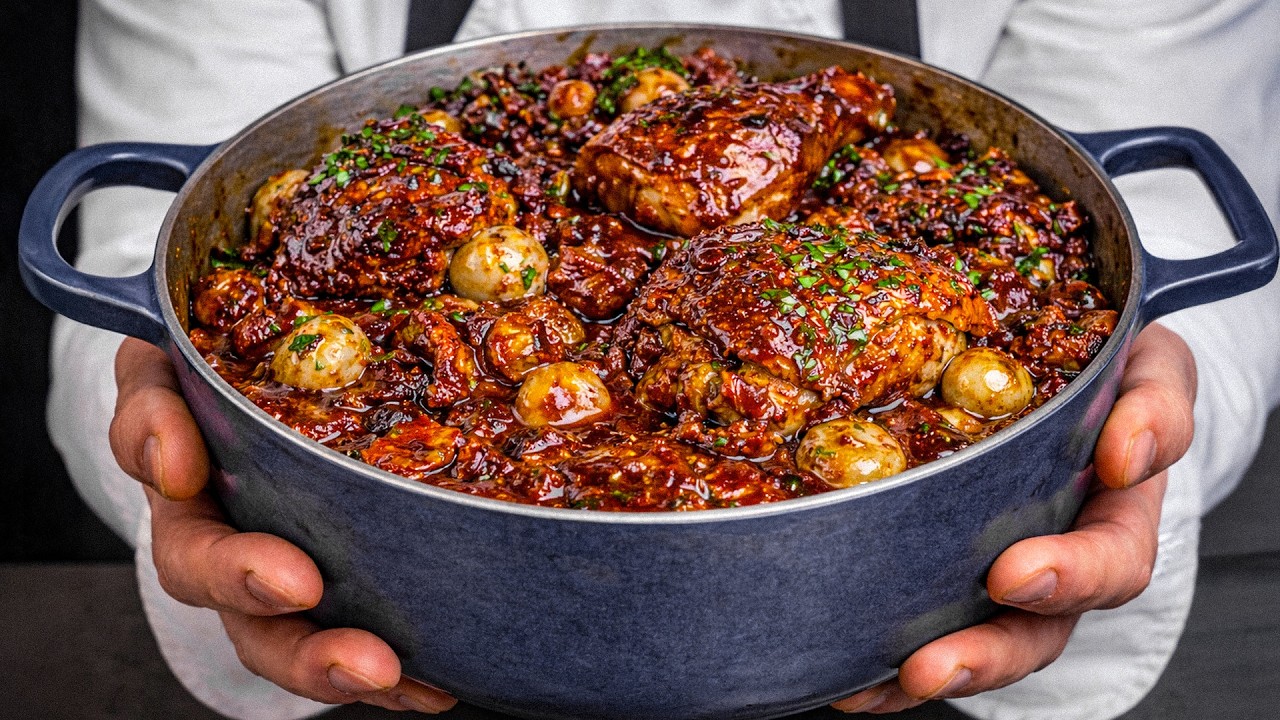
Craft the Best Coq au Vin: Succulent Chicken, Rich Sauce & Pro Tips
Few dishes evoke the rustic charm and sophisticated flavors of French cuisine quite like Coq au Vin. This timeless classic, translating literally to "rooster with wine," is far more than just a chicken stew. It's a culinary masterpiece where tender chicken is slowly braised in a rich, deeply flavored red wine sauce, studded with crisp bacon, earthy mushrooms, and sweet pearl onions. If you're looking for a meal that impresses guests yet offers comforting warmth, mastering the art of coq au vin is a journey worth taking.
Originally a humble peasant dish designed to tenderize tough old roosters, coq au vin has evolved into an elegant centerpiece perfect for dinner parties and special occasions. Its magic lies in the slow cooking process, which allows the flavors to meld and deepen, transforming simple ingredients into something truly extraordinary. In this comprehensive guide, we'll delve into the secrets behind crafting the ultimate coq au vin, offering pro tips and insights to ensure your dish is nothing short of magnificent.
What Makes a Coq au Vin Truly Special?
At its heart, coq au vin is a celebration of braising – a cooking method that uses moist heat to break down tough cuts of meat, rendering them incredibly tender and infusing them with flavor. But what elevates coq au vin above other braised dishes?
- The Wine: The cornerstone of the dish, red wine (traditionally Burgundy) isn't just a liquid; it's a flavor enhancer, tenderizer, and the foundation of the sauce. It imparts a complex, fruity, and slightly tannic depth that defines the dish.
- The Brandy: A splash of brandy, often flambéed, adds another layer of complexity, depth, and a subtle sweetness, enhancing the overall aroma and richness.
- The Aromatics & Lardons: Sautéed bacon (lardons), garlic, and a bouquet of herbs (like thyme and bay leaf) build a robust flavor base that permeates every component. The rendered bacon fat also provides a crucial medium for browning the chicken and vegetables.
- The Vegetables: Pearl onions and button mushrooms, often sautéed separately and added later, contribute sweetness, earthiness, and delightful textural contrast to the tender chicken and silky sauce.
- The Slow Simmer: Patience is paramount. The long, gentle simmer allows the chicken to become fall-off-the-bone tender and the sauce to thicken naturally, concentrating all those incredible flavors.
The result is a symphony of textures and tastes: succulent chicken, crisp bacon bits, tender vegetables, all enveloped in a velvety, wine-infused sauce that begs for a crusty baguette to soak up every last drop. It’s no wonder this dish is a beloved staple in French households and Michelin-starred restaurants alike.
The Essential Ingredients for Authentic Coq au Vin
While the concept is simple, the quality and preparation of your ingredients make all the difference. Here’s a closer look at what you’ll need to create a truly authentic and delicious coq au vin:
Choosing Your Chicken
Traditionally, a coq au vin recipe calls for a whole cut-up chicken, honoring its "rooster" namesake. However, modern interpretations often make practical adjustments:
- Whole Cut-Up Chicken: This is the classic approach, offering a variety of textures and flavors from different parts. If you choose this, a good tip is to add the white meat (breasts) in the last 30 minutes of simmering to prevent them from drying out, ensuring they remain succulent alongside the longer-cooking dark meat.
- Dark Meat Only: Many chefs and home cooks now opt for all dark meat (thighs and drumsticks). This is a fantastic choice for a consistently succulent dish, as dark meat is more forgiving and less prone to drying out during the long braising process. It also delivers a richer flavor profile.
Regardless of your choice, ensure your chicken pieces are bone-in and skin-on for maximum flavor and richness. The skin can be removed after browning if you prefer a leaner dish, but its fat is key for rendering and building flavor.
Selecting the Perfect Red Wine
The wine is the soul of coq au vin, so choose wisely. You don’t need an expensive bottle, but avoid anything you wouldn’t drink. A dry, full-bodied red wine is ideal. Traditional choices include:
- Burgundy: Often considered the gold standard, particularly Pinot Noir. Its earthy notes and fruitiness complement the chicken beautifully.
- Côtes du Rhône: A great alternative, offering good body and often more affordable.
- Zinfandel or Merlot: While not strictly traditional, these can work well if they are dry and not too jammy or sweet.
Aim for about 750ml (a standard bottle) for a generous sauce. Remember, the flavor of the wine concentrates during cooking, so a good starting point is crucial.
Bacon, Brandy, Mushrooms, and Pearl Onions
These supporting characters are indispensable:
- Lardons (Bacon): Thick-cut bacon or pancetta, diced, renders fat that's used to brown the chicken and vegetables, imparting a smoky, salty depth.
- Brandy: A small amount (often a quarter cup) is added after the chicken and vegetables are seared, then briefly flambéed (optional, but dramatic!) to burn off the alcohol and leave behind its complex, slightly sweet essence.
- Mushrooms: Button mushrooms or cremini (baby bella) mushrooms are typically used. Sauté them until deeply browned to enhance their umami flavor before adding them to the stew.
- Pearl Onions: These small, sweet onions add a delightful pop of flavor and texture. Blanching and peeling them can be a bit tedious, but it's worth the effort. Alternatively, frozen pearl onions are a perfectly acceptable shortcut.
For more detailed insights on ingredient selection and foundational techniques, consider exploring articles like Unlock Classic French Flavor: Mastering Coq au Vin with Red Wine & Bacon.
Mastering the Coq au Vin Technique: Step-by-Step Perfection
While the ingredient list is straightforward, the magic of coq au vin lies in the methodical layering of flavors. Here's a general outline of the steps:
- Render the Bacon: Start by cooking your diced bacon until crisp. Remove the bacon and set aside, leaving the rendered fat in the pot. This fat is your flavor base.
- Brown the Chicken: Season the chicken pieces generously and brown them deeply in the bacon fat on all sides. This crucial step creates a flavorful crust and builds the fond (brown bits) at the bottom of the pot, which will become part of your rich sauce. Remove the chicken.
- Sauté Aromatics and Vegetables: Add chopped onions, carrots, and garlic to the pot, scraping up the fond, and sauté until softened.
- Deglaze with Brandy: Pour in the brandy and scrape any remaining bits from the bottom of the pot. If comfortable, carefully tilt the pot towards a flame to flambé the brandy, letting the alcohol burn off for a few seconds. If not, simply let it simmer gently until reduced.
- Add Wine and Simmer: Return the chicken to the pot. Pour in the red wine, along with chicken stock (if desired for extra body), tomato paste, and a bouquet garni (thyme, bay leaf, parsley stems). Bring to a simmer, then cover and cook gently for 1.5 to 2 hours, or until the chicken is very tender.
- Prepare Mushrooms and Pearl Onions: While the chicken braises, sauté your mushrooms and pearl onions separately until beautifully browned. This separate browning ensures they develop their own rich flavor and don't just steam in the sauce.
- Thicken and Finish the Sauce: Once the chicken is cooked, remove it from the pot. Strain the sauce (optional, but yields a smoother sauce) and reduce it slightly if it's too thin. You can also thicken it with a beurre manié (equal parts softened butter and flour kneaded together) for a silkier texture. Return the chicken, sautéed mushrooms, pearl onions, and reserved crisp bacon to the pot.
- Rest and Serve: Let the coq au vin rest for a few minutes before serving. This allows the flavors to settle and the chicken to reabsorb its juices.
Pro Tips for an Unforgettable Coq au Vin
Transforming a good coq au vin into an extraordinary one often comes down to a few key techniques and considerations:
- The Make-Ahead Advantage: This is perhaps the greatest secret of coq au vin. Like many stews, it tastes even better the next day! The flavors have more time to meld and deepen. Prepare the entire dish a day in advance, refrigerate it, and gently reheat it on the stovetop or in the oven when your guests arrive. This makes it an ideal choice for entertaining. For a deeper dive into this convenience, check out Coq au Vin: The Impressive Make-Ahead French Dinner Party Dish.
- Don't Skimp on Browning: Both the bacon and the chicken need to be deeply browned. This creates layers of savory flavor (the Maillard reaction) that are essential for a rich, complex sauce. Don't rush this step.
- Sauté Vegetables Separately: As mentioned, cooking the mushrooms and pearl onions separately until golden brown intensifies their flavor and prevents them from getting mushy in the stew.
- Balance the Sauce: Taste the sauce before serving. It might need a touch of salt, pepper, or even a tiny pinch of sugar to balance the acidity of the wine. A splash of red wine vinegar can also brighten the flavors if it tastes flat.
- Garnish is Key: While optional, a garnish of fresh parsley or thyme adds a pop of color and freshness. And don't forget the buttery, crunchy croutons – they provide a wonderful textural contrast to the soft meat and vegetables.
- Serving Suggestions: Coq au vin is hearty and robust. It pairs beautifully with simple sides that can soak up the glorious sauce. Think creamy mashed potatoes, aligot, plain buttered noodles, or, most traditionally, a crusty baguette. A simple green salad with a vinaigrette can cut through the richness.
Patience and attention to detail are your best allies in making coq au vin. Each step contributes to the final masterpiece, ensuring every spoonful is bursting with authentic French flavor.
Conclusion: The Timeless Appeal of Coq au Vin
Coq au vin is more than just a recipe; it's an experience. It's the aroma filling your kitchen, the comfort it brings on a cold evening, and the undeniable elegance it lends to any dinner table. From its humble origins to its current status as a French culinary icon, this dish continues to captivate palates worldwide.
By understanding the role of each ingredient and embracing the art of slow braising, you can confidently craft a coq au vin that is truly exceptional. Whether you opt for a traditional whole chicken or stick to succulent dark meat, and whether you prepare it a day in advance for maximum flavor or enjoy it fresh, you're embarking on a delicious journey. So gather your ingredients, uncork a good bottle of red wine, and prepare to delight your senses with the unparalleled richness of the best coq au vin.
