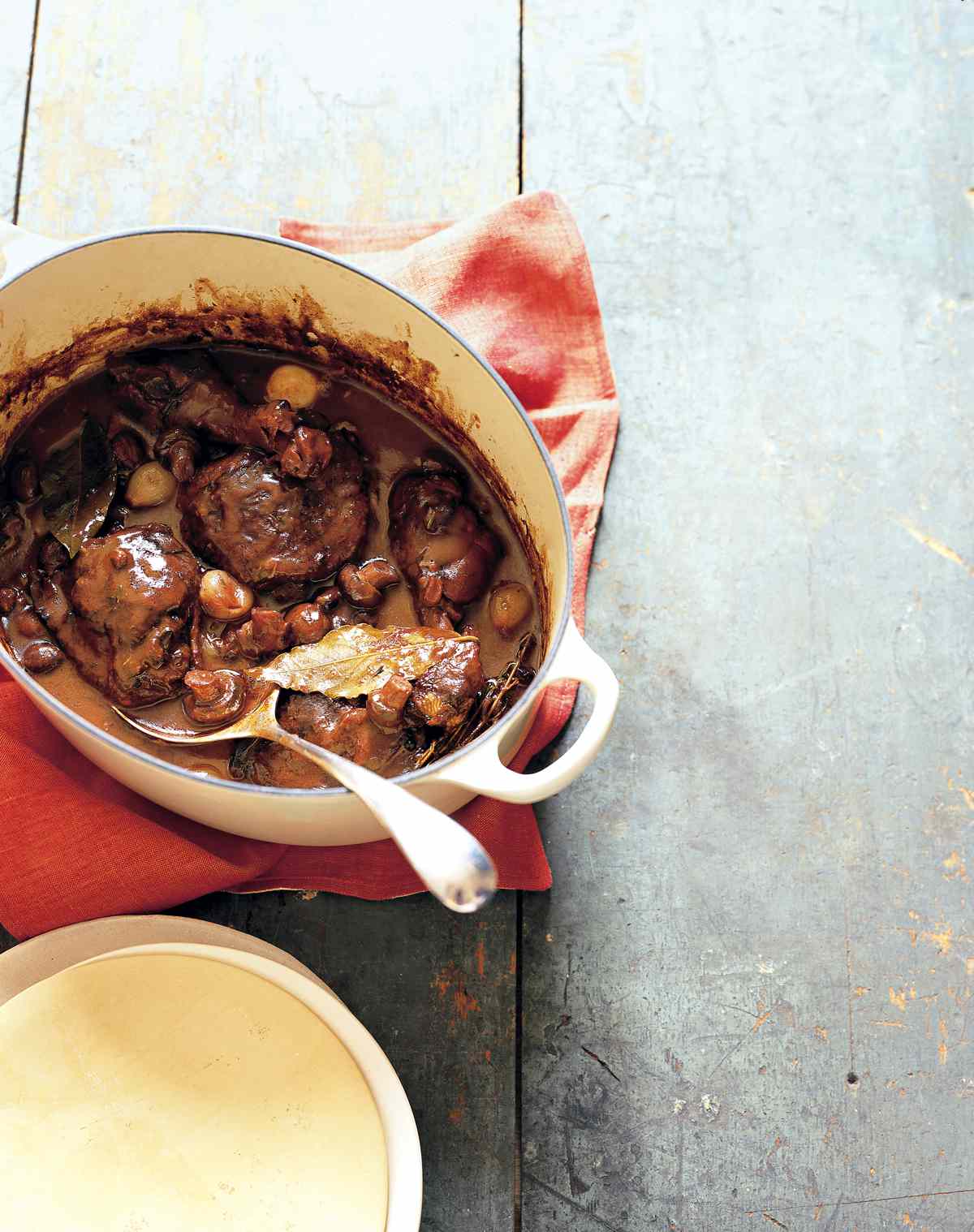
The Allure of Coq au Vin: An Impressive Yet Stress-Free Dinner Party Star
Few dishes command the same respect and admiration as a perfectly executed French classic, and among them, Coq au Vin stands as a true culinary icon. This hearty, rustic stew of chicken slowly braised in rich red wine, often accompanied by savory bacon, earthy mushrooms, and sweet pearl onions, is far more than just another chicken recipe. It’s a declaration of culinary prowess, a warm embrace on a cold evening, and, perhaps most importantly for the savvy host, the ultimate make-ahead dinner party dish.
Imagine greeting your guests with the intoxicating aroma of a sophisticated French meal, all while feeling completely relaxed because the bulk of the work was done the day before. That’s the unparalleled charm of Coq au Vin. While its name might suggest complexity, its beauty lies in its simplicity of concept and the magical transformation of humble ingredients into something truly extraordinary. It's the kind of dish that whispers elegance without shouting, offering profound, comforting flavors that deepen and improve with time, making it an ideal choice for any gathering where you want to impress without the last-minute kitchen chaos.
The Essence of Coq au Vin: Ingredients and Techniques for a Culinary Masterpiece
At its heart, Coq au Vin is a celebration of slow cooking and the harmonious blending of robust flavors. Understanding its core components and the techniques behind them is key to mastering this impressive dish.
Choosing Your Chicken: Dark Meat for Decadence
Traditionally, Coq au Vin was made with a "coq" (rooster), a tougher bird that necessitated long, slow braising. Today, while you could use a whole cut-up chicken, many modern recipes, and indeed many seasoned cooks, advocate for using bone-in, skin-on dark meat – thighs and drumsticks. The reason is simple: dark meat stands up better to extended cooking, remaining supremely tender and succulent without drying out, unlike more delicate white meat. If you prefer a mix, simply add chicken breasts during the last 30 minutes of simmering to prevent them from becoming overcooked and stringy. The bones and skin, often removed before serving, add invaluable flavor and richness to the braising liquid, creating a more profound and satisfying sauce.
The Heart of the Sauce: Red Wine & Brandy
The soul of Coq au Vin lies in its magnificent sauce, and the main player here is, unequivocally, the red wine. A good quality, dry red Burgundy is traditional, but a Pinot Noir, Beaujolais, or even a Merlot can work beautifully. The key is to choose a wine you'd happily drink; its character will infuse every element of the dish. The wine not only tenderizes the chicken but also lends a profound depth of flavor, a rich color, and a subtle acidity that balances the richness. A splash of brandy, often used to deglaze the pan or even flambéed, adds another layer of complexity and aroma, contributing to that distinctive French flair. This crucial step is part of what makes Mastering Coq au Vin with Red Wine & Bacon such a rewarding culinary journey.
A Symphony of Flavors: Bacon, Onions & Mushrooms
Beyond the chicken and wine, a trio of supporting actors elevates Coq au Vin from a simple stew to a gourmet experience:
- Lardons (Bacon): Thick-cut bacon, rendered until crisp, provides the foundational fat for cooking, a smoky depth, and delicious, chewy morsels. Don't discard that rendered fat; it's liquid gold for sautéing!
- Pearl Onions: These tiny, sweet onions, often blanched and peeled, become beautifully caramelized and tender after slow simmering, adding bursts of sweetness and a lovely texture contrast.
- Mushrooms: Sautéed separately until golden brown, typically cremini or button mushrooms, they absorb the rich flavors of the sauce and add an essential earthy, umami note.
Aromatics like garlic, carrots, and a bouquet garni (a bundle of fresh herbs like thyme, bay leaf, and parsley) further build the intricate flavor profile, creating a sauce that is both robust and incredibly nuanced.
The Slow Braise: Unlocking Tender Perfection
The magic happens in the braising pot. After browning the chicken and bacon, sautéing the aromatics, and deglazing with brandy and wine, the ingredients are gently simmered, often in an oven or on a stovetop, for several hours. This slow, moist heat breaks down tough fibers, tenderizing the chicken to a fall-off-the-bone consistency and allowing the flavors to meld and concentrate into a truly cohesive and spectacular sauce. Patience is indeed a virtue when crafting the Best Coq au Vin: Succulent Chicken, Rich Sauce & Pro Tips.
The Magic of Make-Ahead: Why Coq au Vin Tastes Better Tomorrow
One of the most remarkable qualities of Coq au Vin, and a true gift to any host, is its ability to not just hold its own, but to actually improve with age. This isn't just anecdotal; there's a science to why this classic French dish tastes better the next day.
The Science of Flavor Development
When Coq au Vin rests overnight, several beneficial processes occur. The flavors from the wine, herbs, bacon, and vegetables have ample time to fully meld and deepen. What might be distinct layers of flavor on day one become a unified, complex symphony on day two. The proteins and starches in the sauce continue to break down and release their compounds, creating a richer mouthfeel and a more harmonious overall taste. Think of it like a good friendship; it gets better with time as elements intertwine more deeply.
Practical Prep for a Seamless Party
The "make-ahead" aspect is a game-changer for entertaining. You can prepare the entire dish a day or even two in advance, allowing you to focus on other aspects of your dinner party – setting the table, preparing a simple side salad, or simply enjoying your guests' company – rather than frantically stirring pots. Simply cool the finished Coq au Vin completely, then refrigerate it in an airtight container. On the day of your event, gently reheat it on the stovetop over low heat until warmed through, adjusting consistency with a splash of chicken stock or wine if needed. This stress-free approach truly embodies the spirit of French hospitality.
Serving & Savoring Your Coq au Vin: Complementary Pairings and Garnish
Presenting your Coq au Vin is almost as important as making it. The right accompaniments elevate the entire dining experience.
Beyond the Baguette: Perfect Sides
While a crusty baguette for soaking up every drop of that glorious sauce is non-negotiable and perhaps the most traditional accompaniment, there are other excellent choices:
- Creamy Mashed Potatoes: Their rich, smooth texture provides a perfect counterpoint to the robust stew.
- Buttered Egg Noodles or Tagliatelle: A classic pairing that allows the sauce to cling beautifully.
- Steamed Rice: A simple, neutral base that absorbs all the wonderful flavors.
- Simple Green Salad: Dressed with a light vinaigrette, it provides a refreshing contrast to the richness of the stew.
- Roasted Root Vegetables: Carrots, parsnips, or potatoes roasted until tender and caramelized can complement the inherent earthiness of the dish.
Wine Pairings: Enhancing the Experience
The best wine to pair with Coq au Vin is often the same wine you used to cook it – a dry red Burgundy, Pinot Noir, or a similar medium-bodied red. Its notes will resonate throughout the dish, creating a cohesive and satisfying pairing. Avoid anything too light or overly tannic, as it might clash with the stew's richness.
The Finishing Touches
Before serving, consider a few garnishes to enhance both visual appeal and flavor. Freshly chopped parsley adds a vibrant green contrast and a hint of freshness. For added texture, consider buttery croutons, as suggested in some traditional recipes; they provide a delightful crunch against the tender chicken and vegetables.
Elevate Your Coq au Vin: Expert Tips for Unforgettable Flavor
To move beyond a good Coq au Vin to a truly unforgettable one, consider these expert tips and insights:
- Ingredient Quality Matters: While a rustic dish, the quality of your main ingredients – especially the wine and chicken – will significantly impact the final flavor. Choose a wine you'd be happy to drink and fresh, good-quality chicken.
- Don't Rush the Browning: Thoroughly browning the chicken pieces (in batches, if necessary) creates a deep, caramelized crust that adds immense flavor to the sauce through the Maillard reaction. Similarly, render the bacon until genuinely crisp.
- Sauté Vegetables Separately: For the best texture and color, sauté mushrooms in batches until they are golden brown before adding them back to the stew. Pearl onions should also be blanched, peeled, and often caramelized lightly before their final simmer. This prevents them from becoming mushy and ensures they retain their distinct character.
- A Touch of Acid at the End: A final splash of red wine vinegar or a squeeze of lemon juice just before serving can brighten the entire dish, cutting through the richness and elevating the flavors. Taste and adjust seasoning before serving.
- Thickening the Sauce: While some recipes rely purely on reduction, many employ a *beurre manié* (equal parts butter and flour kneaded together) or a simple roux added towards the end to achieve a velvety, luxurious sauce consistency.
Coq au Vin is more than just a meal; it's an experience. It’s a testament to the timeless appeal of French cuisine, offering a harmonious blend of robustness and refinement. Its legendary status as a make-ahead dish makes it a truly invaluable addition to any host's repertoire, promising an impressive, flavorful, and remarkably stress-free dinner party. So, embrace the rich tradition, uncork a good bottle of red, and prepare to delight your senses with this magnificent French classic.
